FUTO Logo

Biochemistry

Why Pursue a degree in Biochemistry

The Department of Biochemistry at the Federal University of Technology, Owerri (FUTO), offers a comprehensive education in the molecular mechanisms that underpin life processes. Biochemistry, as the study of the chemical processes within and related to living organisms, is central to understanding the molecular basis of health, disease, and the environment. The department is committed to providing students with a robust foundation in both theoretical and practical aspects of biochemistry.

Our curriculum integrates core topics such as enzymology, metabolism, molecular genetics, and structural biology with advanced techniques in protein chemistry, molecular biology, and bioinformatics. By combining classroom instruction with state-of-the-art laboratory experiences, we ensure that students gain the skills and knowledge needed to excel in both academic research and industry applications.

The department actively encourages research in areas such as biotechnology, pharmacology, nutrition, and environmental biochemistry, providing students with the opportunity to engage in groundbreaking projects and contribute to scientific advancements. We emphasize critical thinking, scientific inquiry, and ethical practices, preparing graduates to become leaders in biochemistry-related fields, including healthcare, agriculture, and industry.

With a focus on innovation and excellence, the Department of Biochemistry at FUTO offers students the tools to pursue rewarding careers in research, education, healthcare, and other interdisciplinary fields that shape the future of biological sciences.


MOTTO: "TOWARDS A BETTER LIVING".
Research Areas

African Journal of Biotechnology Vol. 7 (12), pp. 1939-1943, 17 June, 2008 Available online at www.academicjournals.org/AJB DOI: 10.5897/AJB07.889 ISSN 1684–5315 © 2008 Academic Journals Full-Length Research Paper Degradation of Diesel Oil in a Polluted Soil Using Bacillus subtilis Authors: L. A. Nwaogu¹ G. O. C. Onyeze¹ R. N. Nwabueze² ¹Department of Biochemistry, Federal University of Technology, Owerri, Nigeria. ²Department of Microbiology, Federal University of Technology, Owerri, Nigeria. Accepted: 11 February, 2008 Abstract Diesel oil left standing in a laboratory for six months was used as a source for isolating Bacillus subtilis, Bacillus cereus, Trichoderma harzanium, and Trichothercium roseum. These microorganisms were identified as hydrocarbon degraders. Among them, B. subtilis showed the highest potential to utilize diesel oil as a carbon source. Soil samples polluted with diesel oil at a loading rate of 5% (v/w) were inoculated with B. subtilis, and diesel degradation was monitored for 27 days using the gravimetric method. The degradation rates were as follows: Day 1: 5.8 × 10⁻⁴ g/h Day 12: 1.83 × 10⁻³ g/h Day 27: 1.05 × 10⁻³ g/h Keywords: Degradation, diesel oil, Bacillus subtilis, Bacillus cereus, Trichoderma harzanium, Trichothercium roseum Introduction Nigeria, a major crude oil producer, has faced increasing environmental pollution due to oil spills. Over 550 oil spills have been reported in the Niger Delta since 1976, releasing approximately 2.8 million barrels of crude oil into the environment. Diesel oil, a major crude oil product, contributes significantly to environmental pollution due to transportation, accidental spills, and improper disposal. Diesel contamination negatively impacts plant growth, soil aeration, and overall soil quality. Microbial degradation is a crucial method for eliminating oil spills, as microorganisms possess enzyme systems capable of utilizing diesel oil as a carbon source. This study aimed to isolate, characterize, and identify diesel oil-degrading microorganisms, particularly examining the effectiveness of B. subtilis as a bioremediation agent. Materials and Methods Isolation of Microorganisms Diesel oil left standing for six months in a microbiology laboratory was used to isolate hydrocarbon-degrading microorganisms. The contaminated diesel oil was serially diluted up to 10⁻⁸. 0.1 ml of the 10⁻⁸ dilution was plated on a modified diesel medium using the pour plate method. The medium contained: 1.4 g K₂HPO₄ 0.2 g (NH₄)₂SO₄ 0.6 g KH₂PO₄ 0.6 g MgSO₄·7H₂O 4 g agar 2 ml diesel oil Plates were incubated at 37°C for 48 hours. Bacterial colonies were subcultured into nutrient agar plates to obtain pure cultures. Characterization was performed based on cultural, morphological, and biochemical characteristics. Hydrocarbon Utilization Test The four isolates (B. subtilis, B. cereus, T. harzanium, T. roseum) were tested for diesel oil utilization as a sole carbon source. Each isolate was streaked onto a modified mineral salt agar medium containing a diesel-soaked filter paper. Plates were incubated at room temperature for 7 days. Determination of Microbial Growth for Degradation Studies 5 ml of nutrient broth was inoculated with a loopful of B. subtilis and incubated at 37°C. 5% (v/w) of the inoculum was transferred into another bottle and incubated further. Growth was monitored by measuring absorbance at 540 nm using a spectrophotometer. Sample Collection and Preparation Topsoil was collected from the Federal University of Technology, Owerri. Soil was sterilized at 121°C for 15 minutes before experimental treatments. Experimental Setup Group A: 33 samples of 20 g sterilized soil mixed with 1 ml (0.85 g) diesel oil + 0.1 ml (4.2 × 10⁶ cells/ml) B. subtilis. Group B: 6 samples of 20 g sterilized soil mixed with 1 ml (0.85 g) diesel oil + 0.1 ml distilled water (control). Group C: 6 samples of 20 g sterilized soil mixed with 1 ml distilled water + 0.1 ml (4.2 × 10⁶ cells/ml) B. subtilis (control). Diesel Oil Degradation Studies The reduction in diesel oil quantity was measured at 3-day intervals for 27 days. Diesel oil was extracted using carbon tetrachloride and measured by gravimetric analysis. Diesel degradation percentage was calculated using: % diesel oil degraded = (Weight of diesel oil degraded / Initial weight of diesel oil) × 100 Degradation rate = (Weight of diesel oil degraded) / (Time in hours) Results and Discussion Identified Microorganisms Bacillus subtilis Bacillus cereus Trichoderma harzanium Trichothercium roseum Microbial Colony Counts Bacillus subtilis: 5.1 × 10⁵ cfu/ml Bacillus cereus: 2.8 × 10³ cfu/ml Trichoderma harzanium: 1.2 × 10² cfu/ml Trichothercium roseum: 1.1 × 10² cfu/ml Diesel Oil Degradation over Time Day 0: 0.85 g diesel oil Day 1: 0.83 g Day 3: 0.76 g Day 6: 0.63 g Day 9: 0.45 g Day 12: 0.32 g Day 15: 0.24 g Day 18: 0.21 g Day 21: 0.18 g Day 24: 0.16 g Day 27: 0.14 g Conclusion This study demonstrates that B. subtilis has high potential for diesel oil degradation without additional nitrogen or phosphorus sources. The degradation rates measured confirm its efficiency as a bioremediation agent. Acknowledgments The authors thank Miss Chinwe Akobundu (Department of Microbiology, FUTO) and Mr. Simeon Okehie (Globe Inspection Laboratory, Port Harcourt) for technical assistance.

BCH Gallery / Research Output

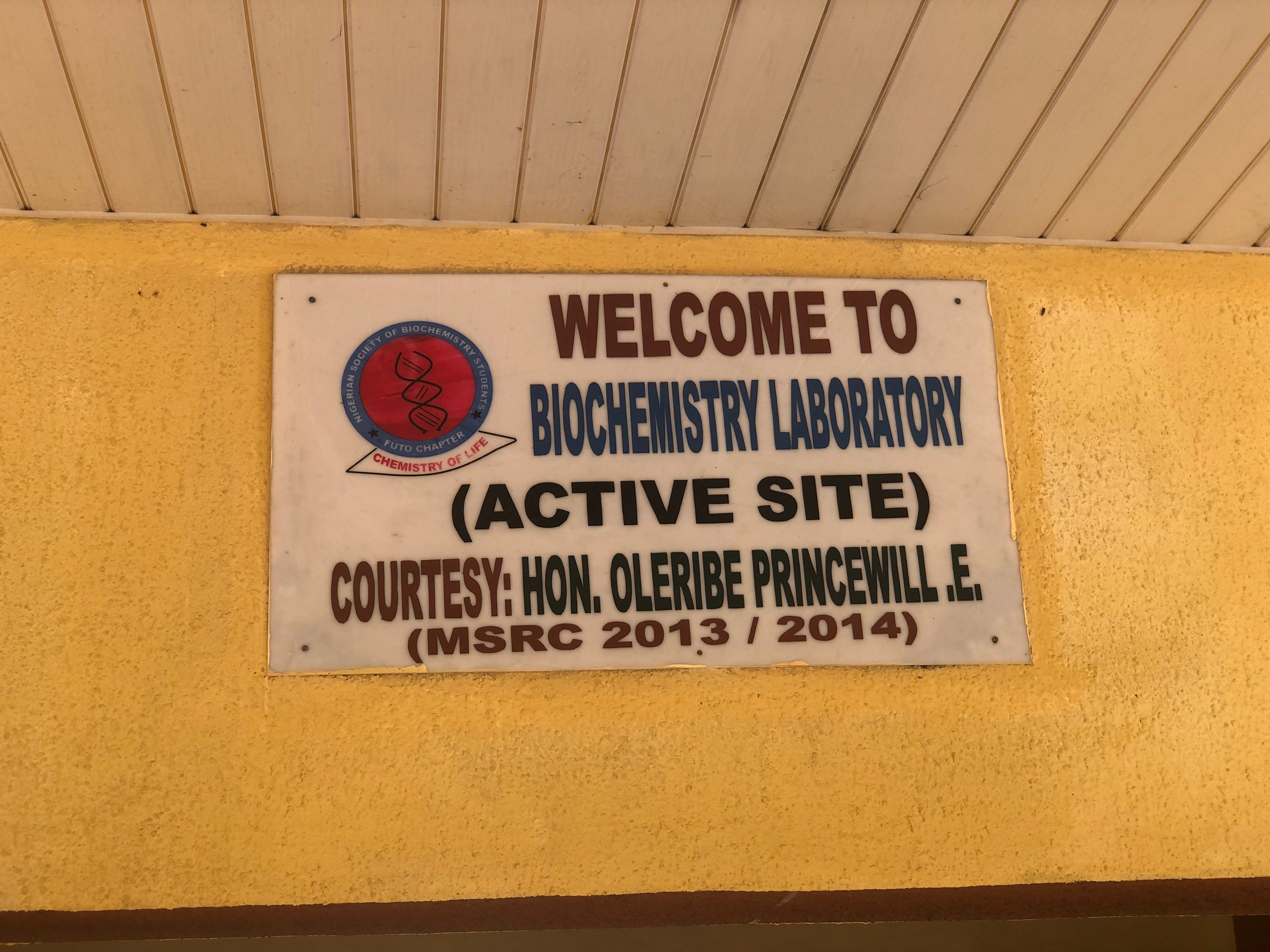
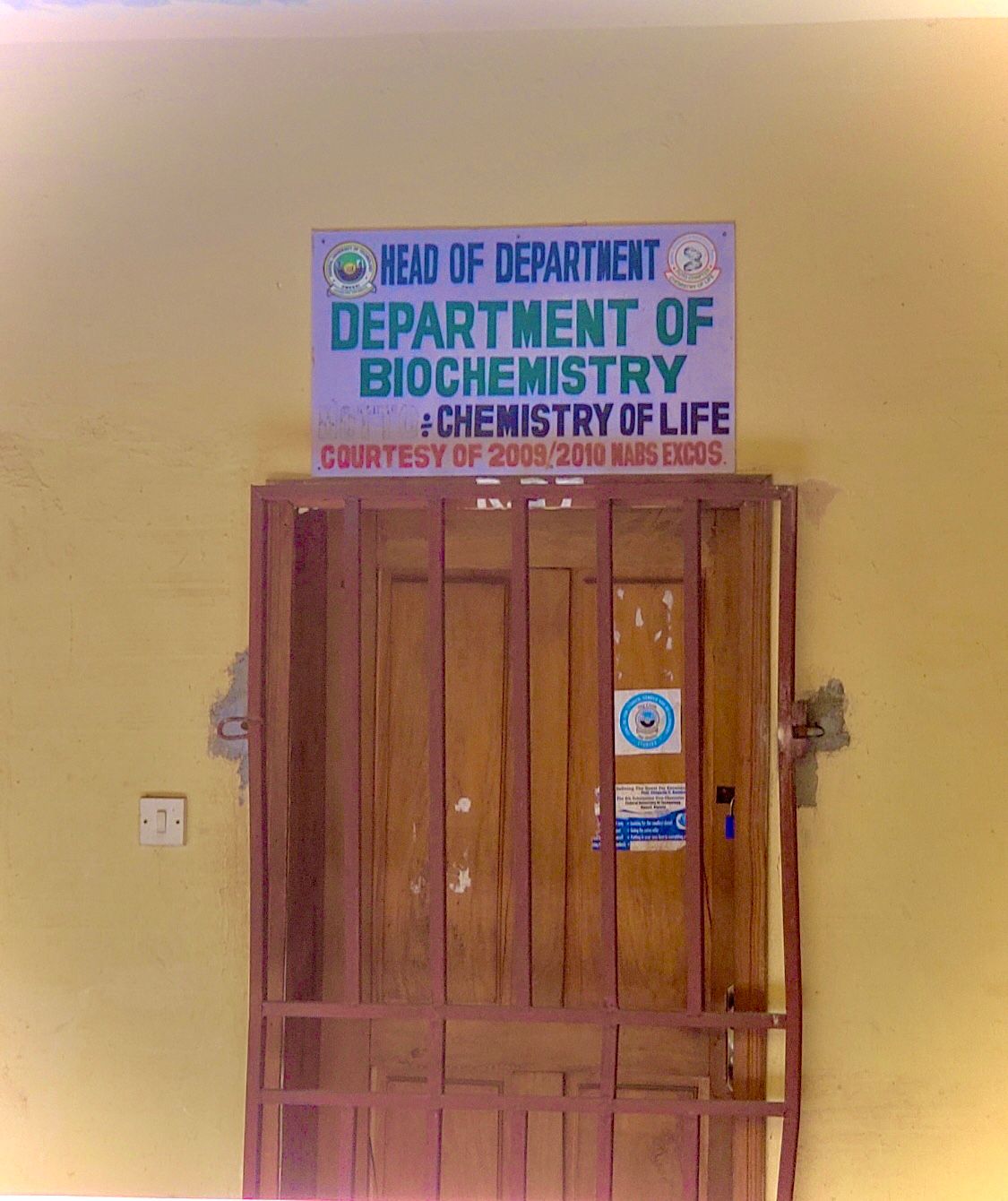
Gallery image 1
Gallery image 2
Gallery image 3
Gallery image 4
Gallery image 5
Gallery image 6
Gallery image 7
Gallery image 8