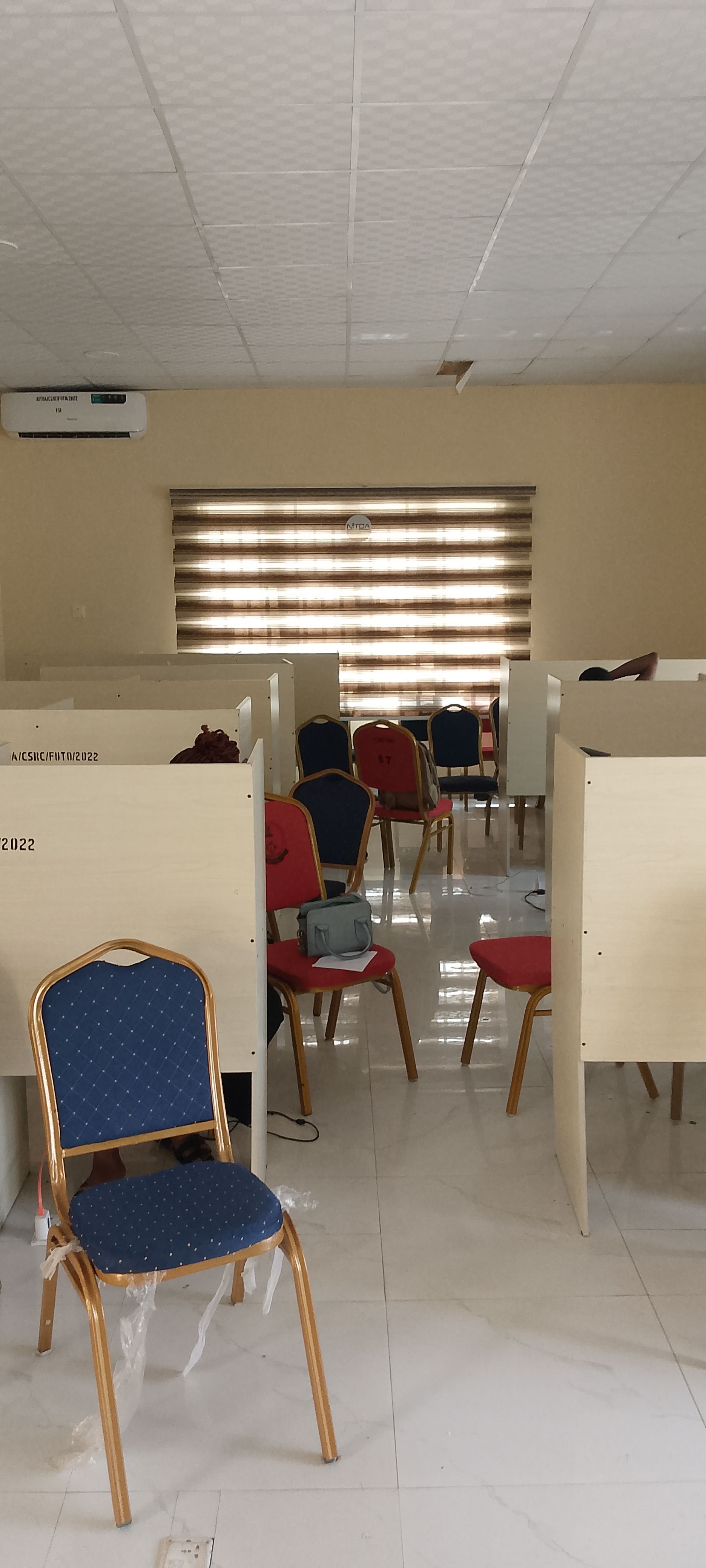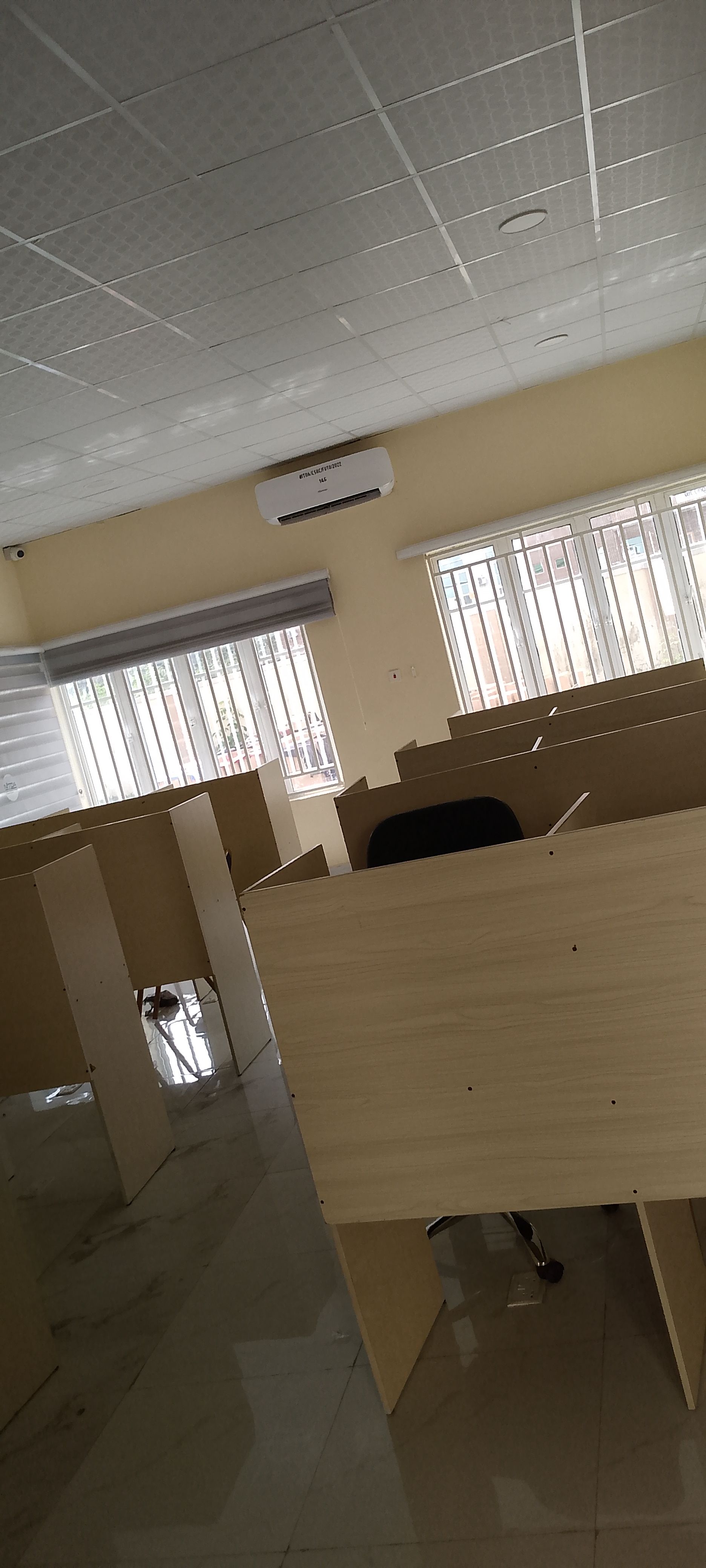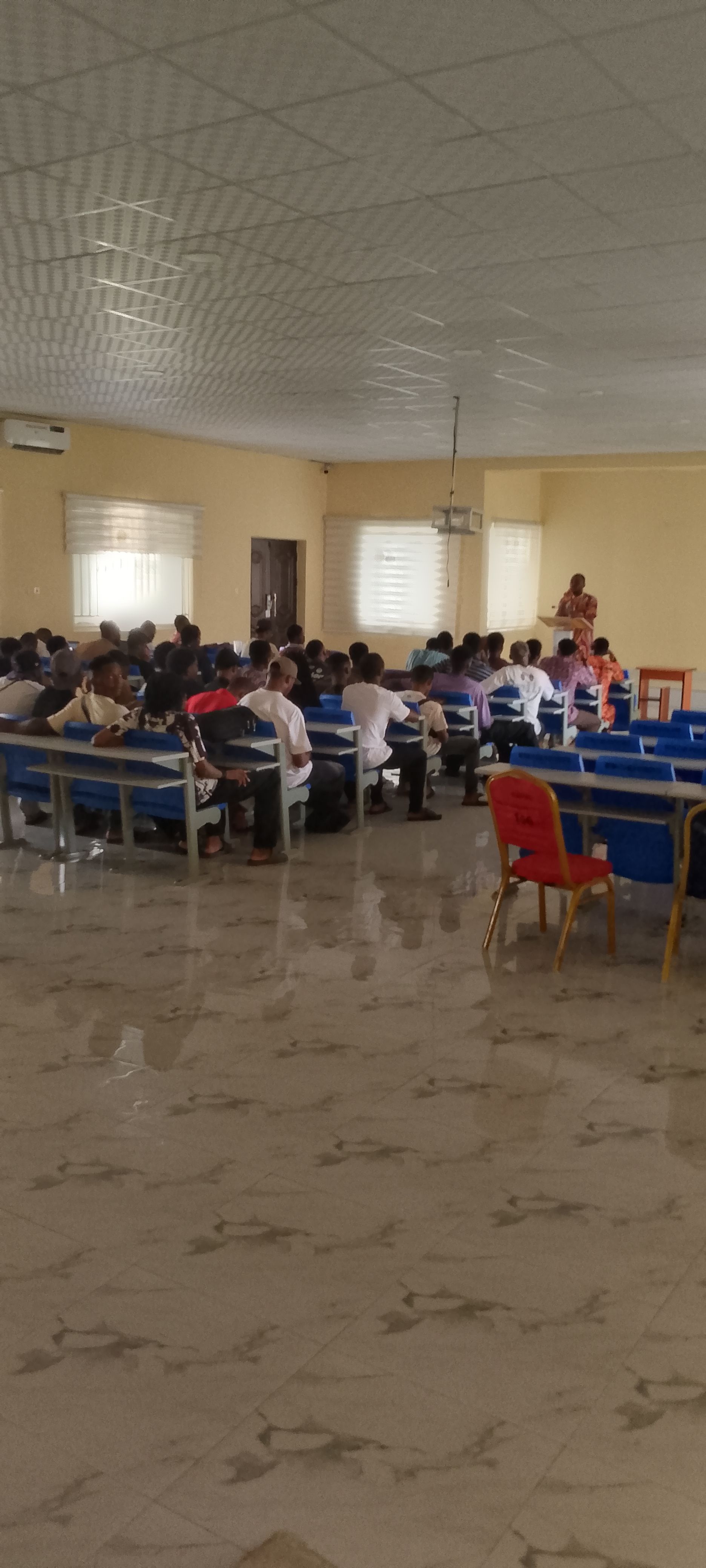
The Cyber Security Department team train students to execute web security for people, and also safeguarding an organization’s information technology assets from possible cyber attacks. They are always on the lookout for any threats that may be posed to the computer system, help handle security breaches, and make certain that only those who are permitted to get to particular pieces of data can do so. They also ensure compliance with policies, regulate risks and ensure the company complies with the law as well as regulations. In short, Cyber Security is the first line of defense against any form of intrusion, cyber criminals, and negative impacts on an organization’s digital structures.
Cyber Security
Why Pursue a degree in Cyber Security
Research Areas
Cyber Security Course Structure by Levels
100 Level (Year 1)
Harmattan Semester
PHY 101 - Elementary Mathematics I
PHY 107 - General Physics I
PHY 109 - General Physics I Practical
GST 101 - Use of English & Communication Skills I
MTH 101 - Mathematics I
CSC 101 - Introduction to Computer Science
CYB 101 - Introduction to Cyber Security
ENT 125 - Principles of Entrepreneurship
ELECTIVES (Choose any two):
IGB 101 – Introduction to Igbo Grammar, Writing, and Comprehension
FRN 101 – Introduction to French Language I
Rain Semester
PHY 102 - General Physics II
PHY 108 - General Physics II Practical
GST 102 - Computer Graphics for Business Development
GST 104 - Nigerian People and Culture
AMT 102 - Basic Mathematics
AMT 104 - Principles of Book-Keeping
ENT 122 - The Nigerian Entrepreneurial Environment
ELECTIVES (Choose any two):
IGB 102 – Introduction to Igbo History, Culture, and Literature
FRN 102 – Introduction to French Language II
200 Level (Year 2)
Harmattan Semester
CSC 201 - Computer Architecture and Organization I
STA 211 - Introduction to Statistics & Probability
GST 201 - Social Sciences & Entrepreneurship
LIT 201 - Introduction to Technology & Digital Communication
ENT 201 - Foundations of Management
ENT 207 - Introduction to Project Management
ENT 211 - Workshops & Entrepreneurial Innovations
Rain Semester
ENI 202 - Accounting Fundamentals
ENI 204 - Fundamentals of Digital Marketing
ENI 206 - Business Plan Development
ENI 208 - Business Process Development
ENI 210 - Business Growth and Change
ENI 212 - Digital Strategies for Entrepreneurial Growth
ENT 214 - Industrial Learning and Tours I
300 Level (Year 3)
Harmattan Semester
CIT 301 - Operating Systems I
CIT 303 - System Analysis and Design
CIT 305 - Introduction to Software Engineering
CSC 305 - Data Structures and Algorithm Analysis
CSC 309 - Discrete Structures
CYB 301 - Information System Security Policy
CYB 303 - System and Network Administration
ENS 301 - Entrepreneurship I
Rain Semester
CIT 302 - Computer Programming II
CIT 304 - Database Management Systems I
CIT 306 - Web Design and Programming I
CSC 302 - Computer Architecture and Organization II
ENS 302 - Business Creation Growth & Corporate
Governance
CYB 302 - Digital Forensics II
CYB 304 - Enterprise and Perimeter Security
CYB 306 - Biometrics Security
CYB 308 - Cryptographic Techniques
SIWES (Internship)
SIW 300 - Industrial Training (SIWES) – 6 Months
400 Level (Year 4)
Harmattan Semester
CYB 401 - Software Defined Networks
CYB 403 - Information Systems Security Engineering
CYB 405 - Introduction to Ethical Hacking
CYB 407 - Forensic Analysis Tools and Techniques I
CYB 409 - Linux and Unix Operating Systems
CSC 405 - Algorithms and Complexity Analysis
CSC 407 - Computer and Society
IFT 405 - Research Methodology & Capstone Management
Electives (Choose One)
CSC 417 - Embedded Systems and Firmware Design
IFT 409 - Data Science
CYB 411 - Application Security
SIWES (Internship)
SIW 400/401 - Industrial Training (SIWES) – 6 Months
500 Level (Year 5)
Harmattan Semester
CYB 501 - Database Management and Control Systems
CYB 503 - Systems Vulnerability Assessment and Testing
CYB 505 - Cloud Computing Security
CYB 507 - Information Disaster Recovery
CYB 509 - VoIP and Multimedia Security
CYB 511 - Forensic Analysis Tools and Techniques II
CYB 513 - Software Engineering and Practice
CSC 513 - Artificial Intelligence and Expert Systems
CYB 599 - Final Year Project
Electives (Choose One)
CYB 515 - Security Strategies for Web Applications and Social Networks
CYB 517 - Enterprise Security and Information Assurance
Rain Semester
CYB 502 - Fault Tolerant Computing
CYB 504 - Cryptography and Applications
CYB 506 - Cybersecurity Policies, Laws, and Frameworks
CYB 508 - Information Security Assurance and Risk Analysis
CYB 510 - Ethical Hacking and Reverse Engineering
CYB 512 - Threats, Exploits, and Countermeasures
CYB 514 - Special Topics on Cybersecurity
CSC 510 - Computer Modelling and Simulation
CYB 599 - Final Year Project
Electives (Choose One)
CYB 516 - Information Security Models
CYB 518 - Privacy in a Networking World
ther Departmental Information
Entry Requirements:
Minimum of five O’level credits in English, Mathematics, Physics, and two other science-related subjects.
UTME subject requirements include Mathematics, Physics, and any other science subject.
Facilities:
Computer Labs
Cyber Security Training Lab
Forensic Analysis Lab
Networking Lab
Lecture Schedules:
The document may contain specific lecture schedules per semester. Would you like a breakdown of that?
CYB Gallery / Research Output