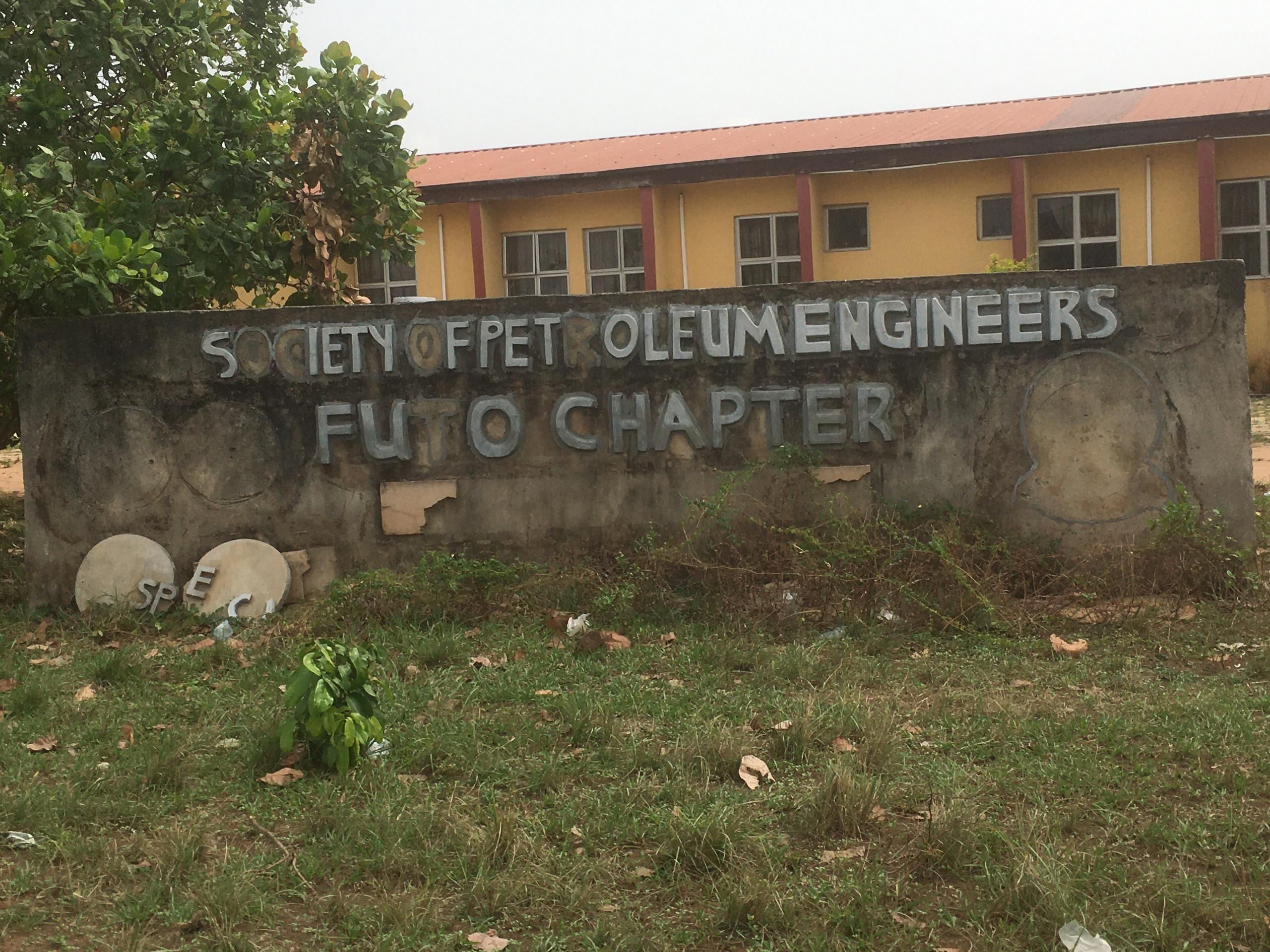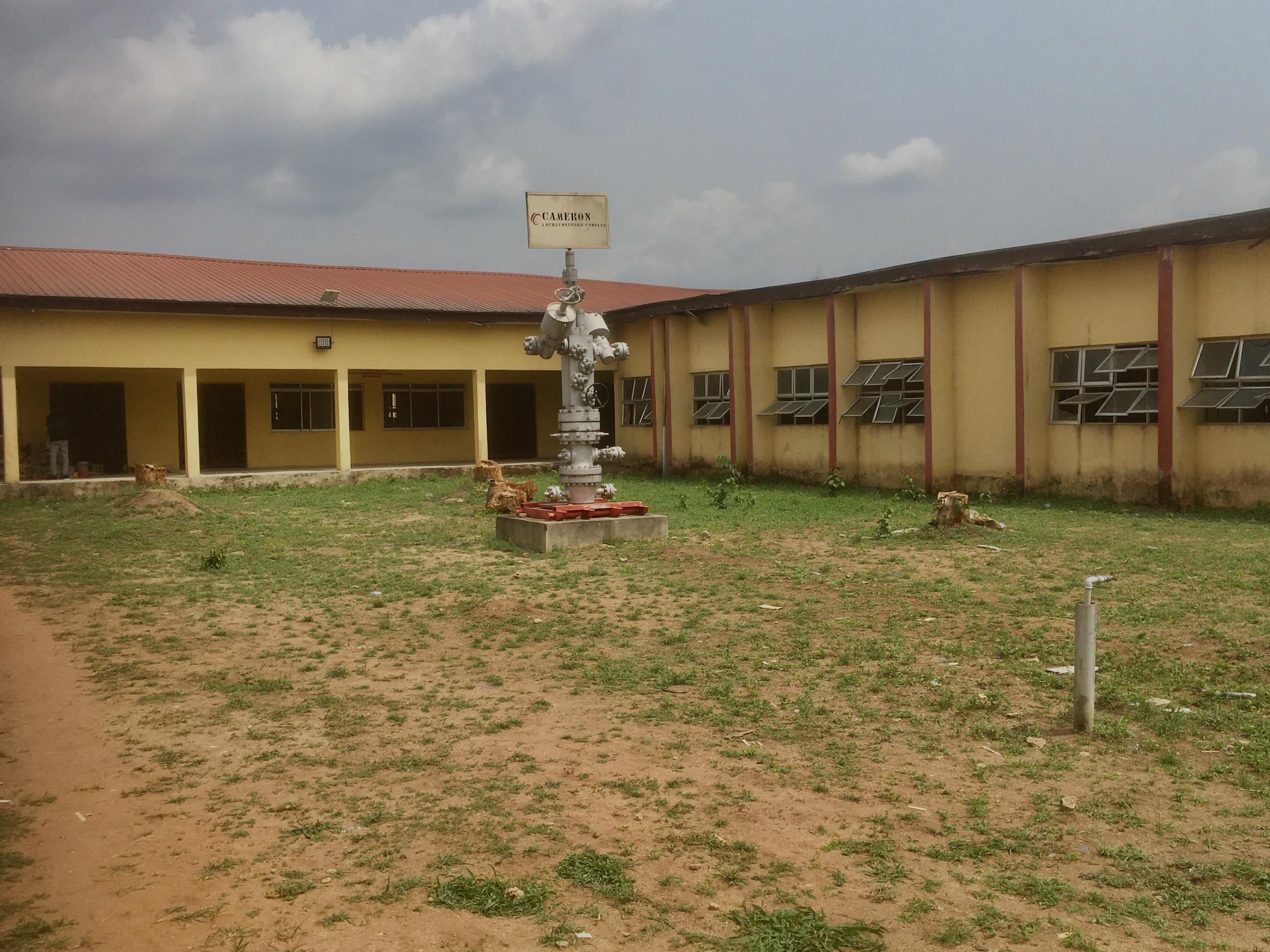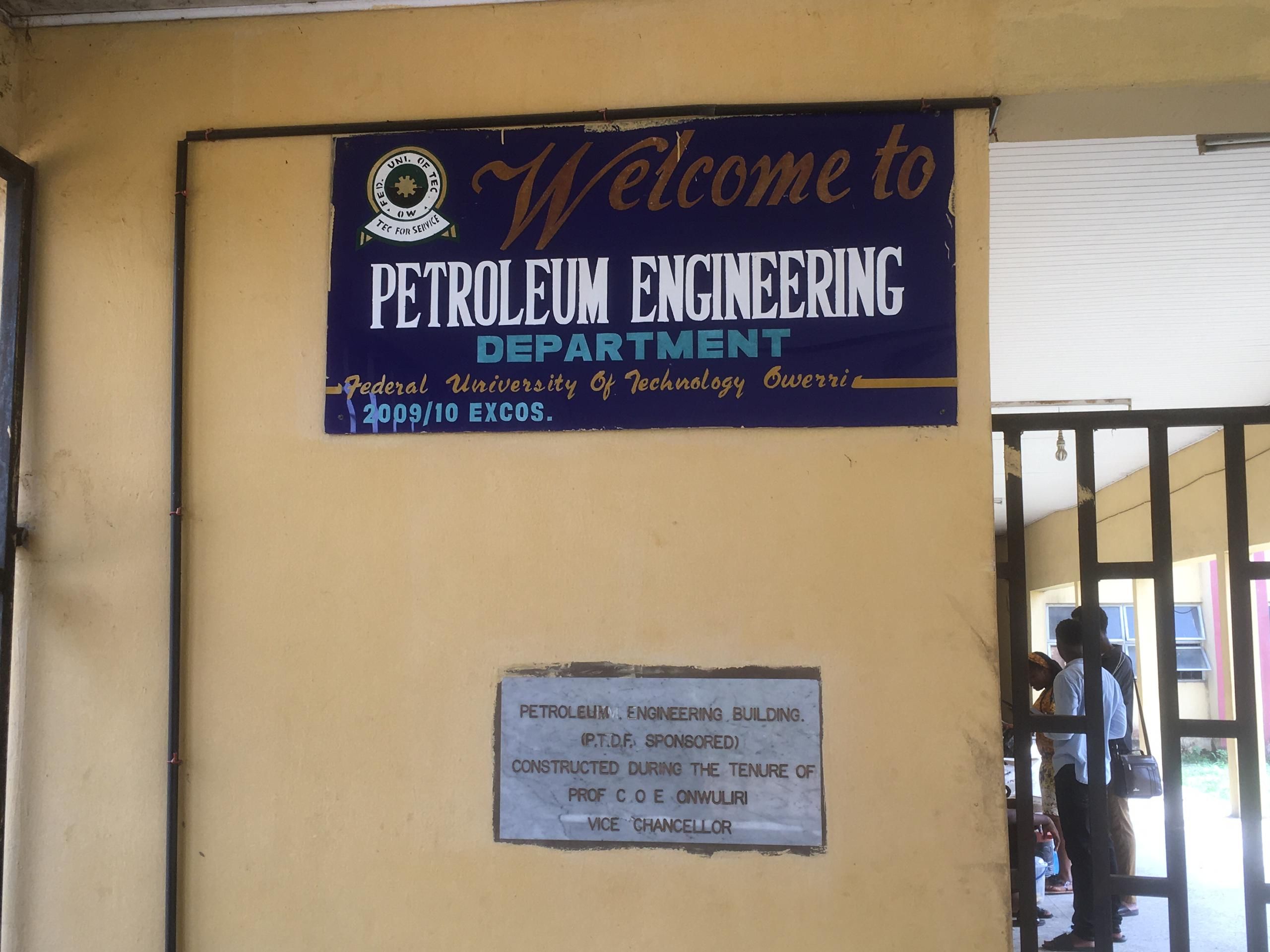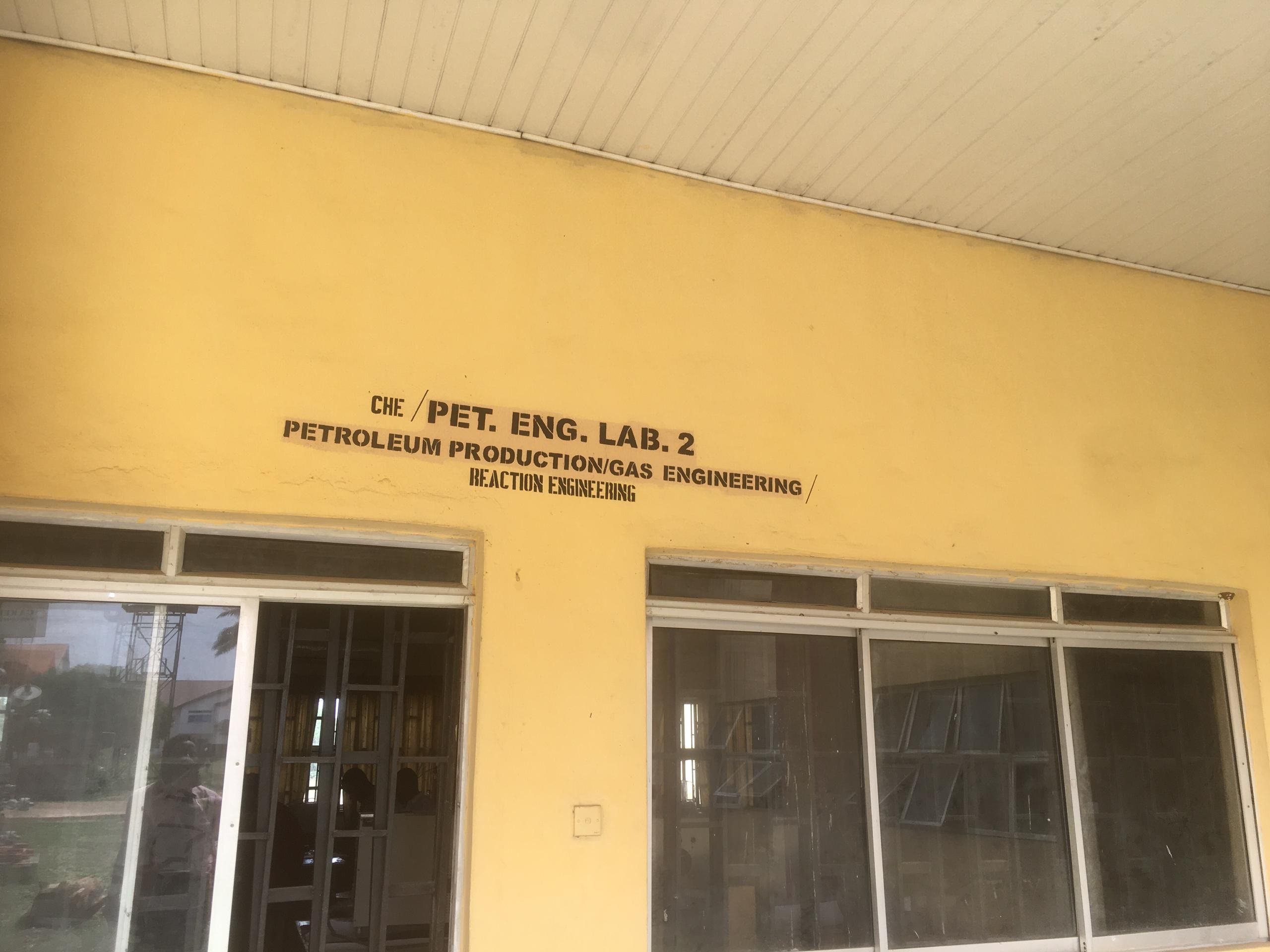
Welcome Message
You are joyfully welcome to the Department of Petroleum Engineering in the School of Engineering and Engineering Technology (SEET) of the foremost University of Technology in Nigeria. Our main focus is to produce graduates with intellectual and technical competence to tackle challenges in global energy demand.
Accreditation
Our programme is accredited by both the Nigeria Universities Commission (NUC) and Council for the Regulation of Engineering in Nigeria (COREN) having met all the requirements for engineering training in Nigeria.
Vision Statement
To be among global leaders in petroleum engineering education, research, and innovation, dedicated to contributing immensely to the future of the energy industry. We strive to cultivate a dynamic learning environment that fosters excellence, empowers faculty and students, and promotes sustainable practices in the exploration, production, and utilization of petroleum resources. Through interdisciplinary collaboration, cutting-edge technologies, and industry partnerships, we aim to equip our graduates with the knowledge, skills, and ethical values necessary to address the challenges and opportunities of the evolving energy landscape. Our petroleum engineering department aspires to make significant contributions to the advancement of energy solutions, environmental stewardship, and socioeconomic development while producing industry-ready professionals who can drive progress and impact communities worldwide positively.
Mission
To provide effective and excellent educational training through innovative teaching and evolving research activities using our unique academic curriculum and engagement enticing learners of diverse ethnicity and nationalities.
Specific Goals
In order to achieve our vision, we will focus on the following specific goals:
- Train our students with a well-balanced curriculum in petroleum engineering education.
- Cultivate a culture of innovation and creativity in our faculty and students.
- Build strong partnerships with industry and government to support our research and education programmes.
- Promote the responsible development of our planet’s energy resources.
We believe that by working together, we can create a brighter future for the petroleum engineering profession and the world.
Programme Educational Objectives (PEOs)
PEO 1: To provide Petroleum Engineering graduates with the technological training to service both private and public enterprises to provide energy to the world
PEO 2: To produce innovative graduates for the purpose of transformation of local materials into applicable solutions for economic advancement in compliance with engineering ethics
PEO 3: To prepare graduates with sound Petroleum Engineering principles in compliance with the curriculum to execute and manage activities in research and field operations.
PEO 4: To train students that can demonstrate practical knowledge for economic transformation using engineering knowledge and problem analysis skills by being adaptable and dynamic in the use of collaboration, project management and soft skills during the exploration and production of oil and gas resources
PEO 5: To produce graduates who would engage in professional practice through planning, design and execution of applied research, technology incubation, and entrepreneurial skills using teamwork and modern tools in solving complex problems in an environmentally-friendly and sustainable manner.
Programme Outcomes (POs)
PO1: Engineering Knowledge: At the end of the programme, a graduate that has passed through the programme shall be able to apply knowledge of mathematics, science, engineering fundamentals and an engineering specialisation to the solution of developmental and complex engineering problems;
PO2: Problem Analysis: At the end of the programme, a graduate that has passed through the programme shall be able to identify, formulate, research literature and analyse developmental and complex engineering problems reaching substantiated conclusions using first principles of mathematics, natural sciences and engineering sciences;
PO3: Design/Development of Solutions: At the end of the programme, a graduate that has passed through the programme shall be able to proffer solutions for developmental or complex engineering problems and design systems, components or processes that meet specified needs with appropriate consideration for public health and safety, cultural, societal and environmental considerations;
PO4: Investigation: At the end of the programme, a graduate that has passed through the programme shall be able to conduct an investigation into developmental or complex problems using research-based knowledge and research methods including design of experiments, analysis and interpretation of data, and synthesis of information to provide valid conclusions;
PO5: Modern Tool Usage: At the end of the programme, a graduate that has passed through the programme shall be able to create, select and apply appropriate techniques, resources and modern engineering and ICT tools, including prediction, modelling and optimisation to developmental and complex engineering activities, with an understanding of the limitations;
PO6: The Engineer and Society: At the end of the programme, a graduate that has passed through the programme shall be able to apply reasoning informed by contextual knowledge including humanities and social sciences to assess societal, health, safety, legal and cultural issues and the consequent responsibilities relevant to professional engineering practice;
PO7: Environment and Sustainability: At the end of the programme, a graduate that has passed through the programme shall be able to understand the impact of professional engineering solutions in societal and environmental contexts and demonstrate knowledge of and need for sustainable development;
PO8: Ethics: At the end of the programme, a graduate that has passed through the programme shall be able to apply ethical principles and commit to professional ethics and responsibilities and norms of engineering practice, including adherence to the COREN engineers’ codes of conduct;
PO9: Individual and Team Work: At the end of the programme, a graduate that has passed through the programme shall be able to function effectively as an individual, and as a member or leader in diverse teams and in multi-disciplinary settings;
PO10: Communication: At the end of the programme, a graduate that has passed through the programme shall be able to communicate effectively on developmental or complex engineering activities with the engineering community and with society at large, such as being able to comprehend and write effective reports and design documentation, make effective presentations, and give and receive clear instructions;
PO11: Project Management: At the end of the programme, a graduate that has passed through the programme shall be able to demonstrate knowledge and understanding of engineering, management and financial principles and apply these to one’s own work, as a member and leader in a team, to manage projects and in multi-disciplinary environments demonstrate knowledge and understanding of engineering, management;
PO12: Lifelong Learning: At the end of the programme, a graduate that has passed through the programme shall be able to recognise the need for and have the preparations and ability to engage in independent and lifelong learning in the broadest context of technological and social changes.
Engr. Dr. Ugochukwu I. Duru
Head of Department, Petroleum Engineering
Senior Lecturer,
PhD, M.Eng.; B.Eng. (Petroleum Engineering)